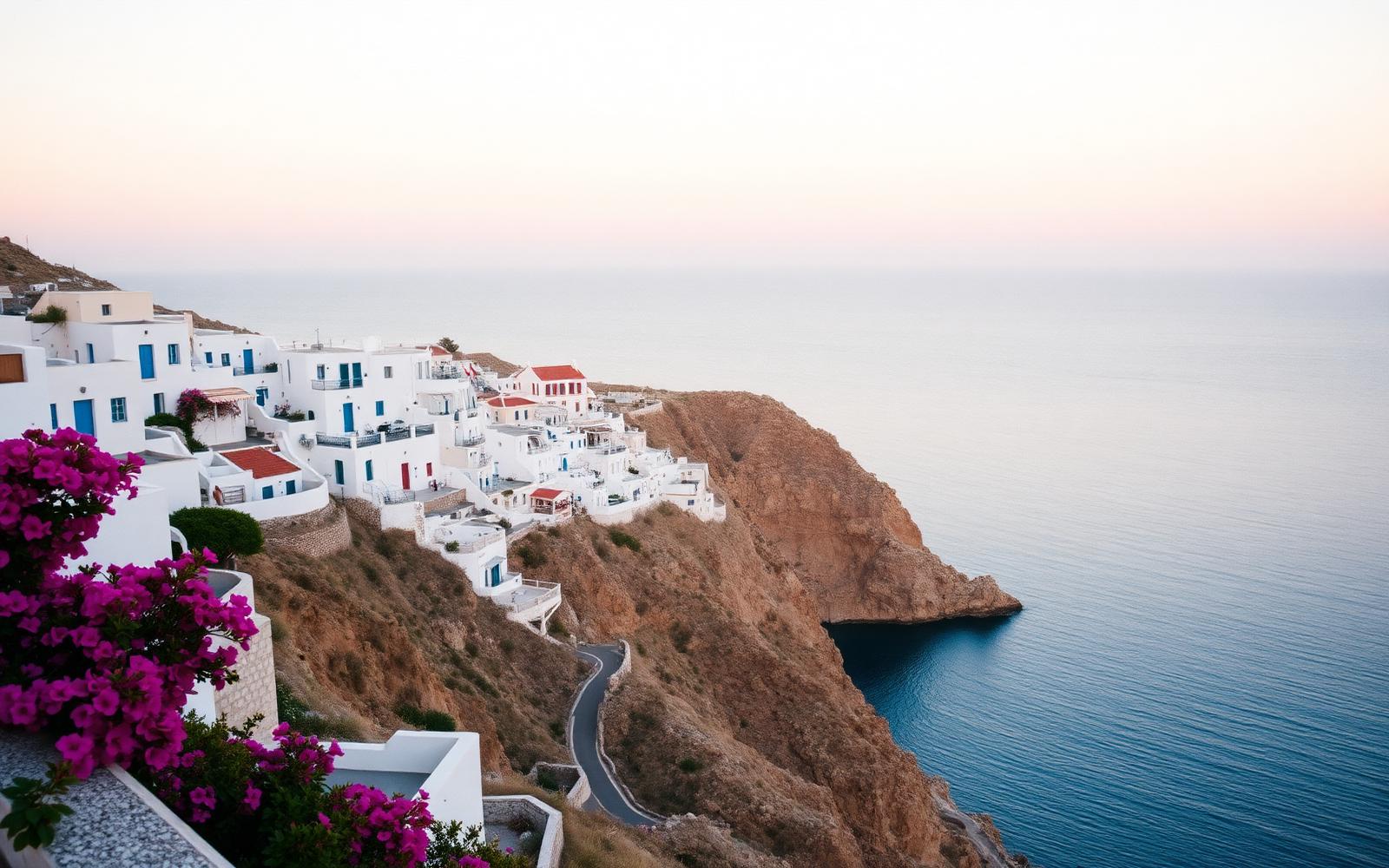
Seven Days in Greece, Without Racing Through It
Athens and one generous island stay. Here is the Greece itinerary I would choose when seven days need to feel like a real vacation.
The short answer
For a first 7-day trip to Greece, spend 2 nights in Athens and 4 nights on Naxos, then return to Athens for your flight home. This gives you ancient history, excellent food, a true Cycladic island, and enough time to enjoy the beach without turning the week into a transportation exercise.
At a glance
Best for
First-time visitors, couples, friends
Route
Athens → Naxos → Athens
Ideal season
May, June, September, early October
Pace
Balanced, with one main plan most days
Car
No in Athens, useful for 1 or 2 days on Naxos
Nights
2 Athens, 4 Naxos
Why Athens and Naxos work so well in one week
A seven-day Greece itinerary can go wrong in one very predictable way: trying to fit Athens, Mykonos, Santorini, and one more island into a single week. It looks exciting on a map. In real life, it becomes a holiday measured in packing, checkout times, ports, and transfers.
I would pair Athens with Naxos. Athens gives you the Acropolis, a serious food scene, and the thrilling collision of ancient and modern Greece. Naxos gives you long beaches, mountain villages, local agriculture, and a version of island life that still feels lived in.
Naxos is the largest island in the Cyclades. That extra space matters. You can spend one day swimming, another driving through villages, and another doing very little at all. Four nights are enough to stop orienting yourself and start settling in.
The short version
- Day 1: Arrive in Athens and ease into the city
- Day 2: Acropolis, ancient Athens, and a long dinner
- Day 3: Ferry to Naxos and sunset at the Portara
- Day 4: A full beach day
- Day 5: Halki, Filoti, and Apeiranthos village loop
- Day 6: Choose your own Naxos day
- Day 7: Return to Athens and fly home, or stay near the airport if timing requires
Your day-by-day Greece itinerary
Day 1: Arrive in Athens
Let the first day be an arrival, not an audition for the rest of the trip.
AfternoonCheck in and walk without a hard agenda. If you stay in Koukaki, Plaka, or Monastiraki, you can reach many central neighborhoods on foot. Follow Dionysiou Areopagitou, the broad pedestrian promenade below the Acropolis, then drift toward Anafiotika’s small lanes.
EveningBook dinner, but keep everything else loose. Look for a modern Greek kitchen or a neighborhood taverna where you can order several plates for the table. Go to bed before you feel you should. Tomorrow is the early start worth making.
Field note
If your flight lands late, skip the walk. A shower, a good meal, and sleep are a better investment.
Field note
Worth a reservation, Kotili is a lovely place to start the trip.
Day 2: The Acropolis and the Athens around it
See the essential site early, then spend the rest of the day letting ancient Athens lead you into the living city.
MorningReserve the first practical Acropolis entry time and arrive with water, sun protection, and shoes with grip. Continue to the Acropolis Museum afterward if you still have the attention for it. Seeing the objects with the hill directly outside gives the story useful context. One of the best modern museums I have experienced in a long time
AfternoonHave lunch away from the busiest lanes, then choose one unhurried thread: the Ancient Agora, the stalls and spice shops around the central market, or the contemporary galleries and cafes of Pangrati. You do not need all three.
EveningWalk up Philopappos Hill or Lycabettus for the change of light, then settle into dinner. Athens is especially good after dark, when the heat drops and tables start filling.
Field note
Official Acropolis tickets are sold online by the Hellenic Ministry of Culture. Check current entry rules and seasonal hours before your visit.
Day 3: Ferry to Naxos
The ferry is part of the transition. Let the Aegean do some of the work.
MorningPre-book a transfer or take the metro to Piraeus (leave yourself plenty of time). Ferries are large, ports are busy, and gate changes can happen. Buy breakfast before boarding and keep sunscreen, a light layer, and anything valuable in a small bag with you. The ferry will have a combination of tourists, locals and people transporting supplies to the island.
AfternoonArrive in Naxos, check in, and do almost nothing. If you stay in Chora, walk into the old Kastro. If you stay near Agios Prokopios, Agia Anna, or Plaka, put your feet in the sea.
EveningBe at the Portara before sunset. The giant marble doorway stands on a small islet beside Chora and frames the light in a way that makes everyone stop talking for a minute. Have dinner after the day-trippers thin out.
Field note
Conventional ferries from Piraeus take roughly five hours or more. High-speed services can be faster, but schedules vary by date and weather.
Day 4: A proper beach day
A beach day is not an empty space in the itinerary. It is one of the reasons you came.
MorningChoose one west-coast beach and stay awhile. Agios Prokopios is beautiful and well serviced with amenities. Agia Anna mixes sand with an easy line of tavernas. Plaka stretches farther and feels roomier, especially as you move down the south end.
AfternoonLunch near the water. Swim again. Read something. Take a nap you did not schedule. If the wind is strong, ask locally which stretch is most sheltered that day.
EveningStay for the late light and have dinner near the beach, or return to Chora for a change of energy.
Field note
Do not rent a car for this day unless your accommodation makes one necessary. Buses serve the popular west-coast beaches in season.
Day 5: The mountain villages
This is the day that makes Naxos more than a beautiful beach stop.
MorningRent a small car and drive inland to Halki. Walk the lanes, visit the Vallindras distillery if open, and notice how quickly the landscape shifts from coast to olive groves and mountain slopes.
AfternoonContinue to Filoti for lunch, then on to Apeiranthos. Its marble-paved lanes, stone houses, and higher elevation feel far removed from the beach towns. The pleasure is not racing through every village. It is choosing two or three and staying long enough for coffee.
EveningReturn by a different road if daylight and comfort allow. Plan a simple dinner near your hotel. A full driving day needs a soft landing.
Field note
Mountain roads can be narrow and winding. Ask your rental company about the route, avoid driving after drinking, and do not build the day around a tight timetable.
Day 6: Choose the trip you actually want
By now you will know what you want more of. Follow that instinct.
MorningOption one is another beach, perhaps quieter Alyko with its cedar landscape. Option two is a hike on Mount Zas, best started early with proper shoes, water, and a realistic read on the heat. Option three is a cooking class or farm visit that connects Naxos’ cheeses, potatoes, citron, and mountain villages to the food on your plate.
AfternoonKeep the second half of the day open. Revisit the beach you loved, shop for a few things in Chora, or sit somewhere with no productive purpose.
EveningMake this your celebratory dinner. Reserve a place you are excited about and give the evening the space it deserves.
Field note
The right choice is the one that balances the trip you have already had. You are not missing Naxos by choosing rest.
Day 7: Return to Athens
Protect the journey home from the realities of island transportation.
MorningTake a flight or ferry back to Athens based on your international departure. If your long-haul flight leaves early, return to Athens on day six and sleep near the airport. Do not depend on a same-day island connection for a flight you cannot afford to miss.
AfternoonIf your flight is later and the connection is comfortable, leave one final pocket of time for a meal or a walk. Otherwise, let the travel day be a travel day.
Field note
Ferries and island flights can be affected by wind and operational changes. A buffer night is often the calmest choice.
Where should you stay?
In Athens, Koukaki is my best all-around choice for a first visit. It is walkable to the Acropolis, filled with places to eat, and a little calmer than the busiest parts of Plaka. Plaka works well if you want maximum atmosphere and do not mind crowds. Monastiraki is convenient and lively, though it can be noisy. I personally like the business of Monastiraki due to its walkabability, however the tradeoff is more touristy and noisy. Last time I stayed at the Moxy Hotel.
On Naxos, stay in Chora if you want restaurants, old-town walks, and easy arrival from the port. Stay near Agios Prokopios or Agia Anna if waking near the beach is the priority. Plaka suits travelers who want more space and do not mind being farther from town. With only four nights, changing hotels on the island is not worth it.
When is the best time for this trip?
Late May through June and September into early October offer the best balance for many travelers: warm days, swimmable water later in the season, fewer peak-summer crowds, and a wider choice of open hotels and restaurants than in winter.
July and August bring heat, higher prices, strong demand, and the summer winds can be savage. The energy can be wonderful if that is what you want, but reservations and realistic midday pacing become more important.
A few planning choices that improve the whole week
- Book the first and last night around your flight, then solve the island transportation.
- Use a buffer before an important international departure.
- Choose one island. Seven days are not improved by collecting ferry tickets.
- Reserve only the things that can sell out or anchor the day.
- Keep at least one half-day genuinely open.
- Check ferry schedules for your exact date, not a general route estimate.
- Travel with a small enough bag that ports and hotel steps do not become a problem.
What I would skip
I would skip adding Santorini just because it is famous. I would skip a day trip from Naxos that begins before you have really experienced Naxos. I would skip planning an activity for every afternoon.
You will not see all of Greece in a week. That is not a flaw in the itinerary. It is a reason to come back.
Frequently asked questions
Is 7 days enough for Greece?
Seven days is enough for a rewarding first trip if you limit the route to Athens and one island. Two nights in Athens and four nights on Naxos creates variety without spending the week in transit.
Which Greek island is best with Athens for one week?
Naxos is an excellent match because it combines beaches, mountain villages, history, local food, and regular transport connections. It offers enough variety for four nights without requiring another island.
Can I visit Athens, Mykonos, and Santorini in 7 days?
It is possible, but the schedule will be transport-heavy and vulnerable to delays. Most travelers will have a better vacation by choosing Athens and one island, then saving the rest for another trip.
Do I need a car on Naxos?
You do not need a car for Chora and the popular west-coast beaches when seasonal buses are running. A rental car is useful for one or two days if you want to explore inland villages and more remote beaches.
Should I take the ferry or fly from Athens to Naxos?
The ferry gives you a classic Aegean arrival and can be convenient if you are already in central Athens. Flying is faster and can work well when connecting near the airport. Compare the full door-to-door journey, luggage rules, and your tolerance for weather-related changes.
Official planning sources
Schedules, entry rules, and seasonal services change. Check these official sources before booking.
Official Acropolis visitor information and tickets
Greek National Tourism Organisation: Athens
There is more life out there
Planning a journey like this?
We will shape the stays, the tables and the rhythm of the days around you.
Start your journey